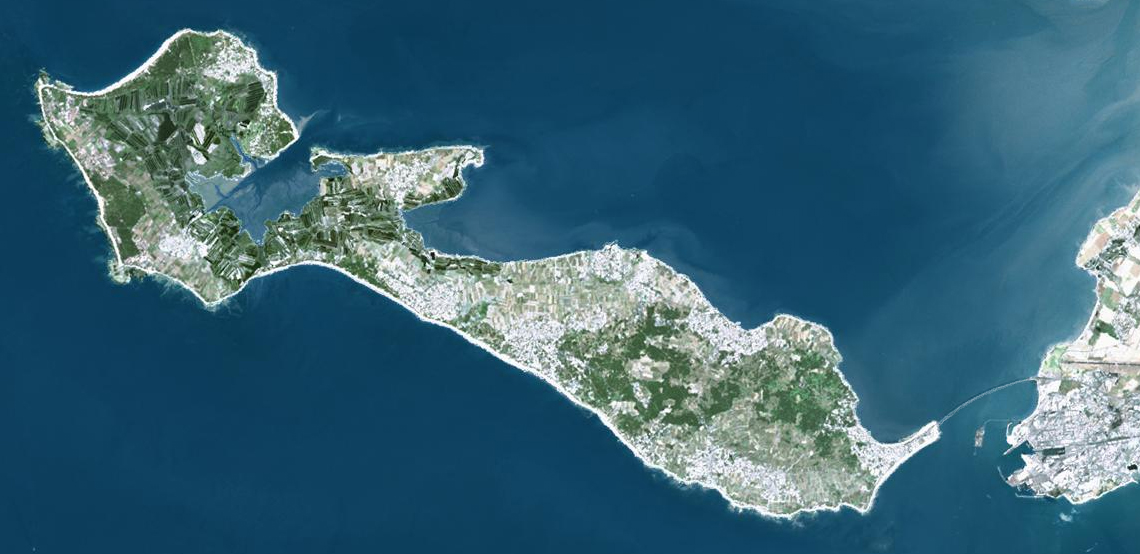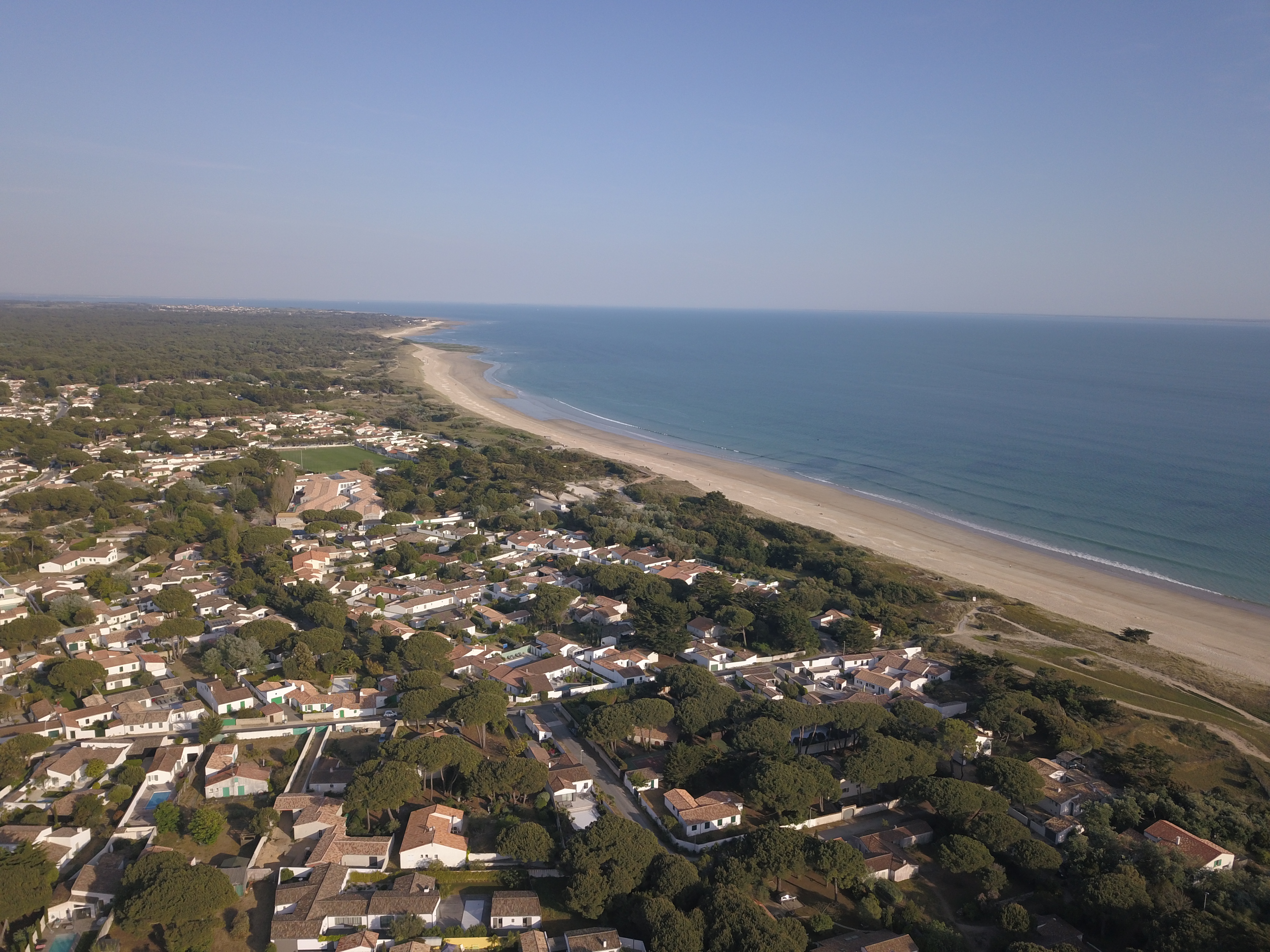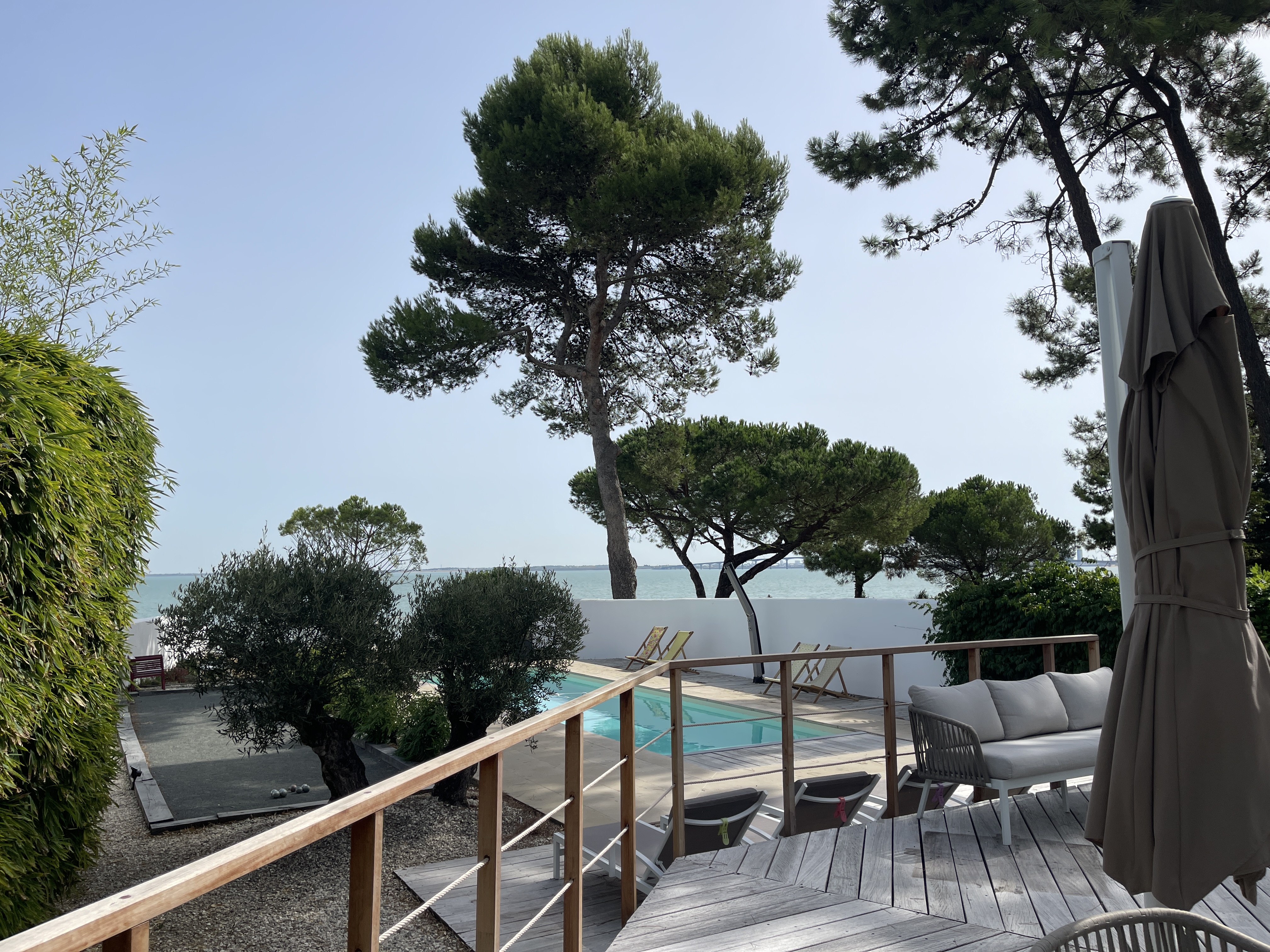
The property market on the Île de Ré follows a logic of scarcity. The island is small, largely protected, and no new-build developments are constructed here: supply rests solely on existing homes, which owners may or may not choose to sell. The number of houses available varies from one year to the next, and it is in fact more plentiful at present than it has been recently, yet it remains structurally limited. This is the first thing to grasp before buying here. Whereas on the mainland a rise in prices eventually frees up land and new construction, the island has no such safety valve: the housing stock stays more or less constant. This scarcity explains why values hold over the long term, even when the national market slows. To acquire a property on the Île de Ré is to secure something that cannot easily be replaced.
The main reason for this scarcity is regulatory. France's Coastal Law (loi Littoral) strictly governs building rights all around the island, and the local urban plans classify much of the territory as natural or agricultural land. Building plots are therefore rare, and buyers almost always purchase older properties, sometimes in need of renovation. This constraint makes things harder for new buyers, but it is also what has preserved the villages, the salt marshes and the landscapes that draw people here in the first place. Before any project, it is advisable to check the plot's zoning under the local plan (PLU): it determines what you may extend, build or convert, and a property's value often depends on it.
The price per square metre means little when taken in isolation. On the same street, two houses of comparable size can sell for twice as much one as the other. The gap comes down to aspect, fittings and finishes, the size and orientation of the plot, the scope for a swimming pool, proximity to the beach and shops, the true condition of the building and the quiet of the surroundings. A house with sea views in Saint-Martin-de-Ré and a beachside house in Les Portes-en-Ré are not comparable, even at equal floor area. This is why a sound valuation always rests on a visit, never on an average.
The limited supply is also a matter of who owns these houses. Many were bought with the owners' own funds, with little recourse to credit, and often long ago. These owners are rarely forced to sell: a rise in interest rates or an unexpected financial setback does not compel them to part with their home. Many would rather pass the family house down. As a result, few properties come onto the market, and the best located ones find a buyer quickly. For a buyer, this means two things: being ready to decide quickly when a good property appears, and accepting that one does not always find the sought-after home at the desired moment.
After several years of growth, prices corrected between 2024 and 2026. Let us be clear: some properties are now trading below their 2022 levels, particularly where they had been listed too high. This is not a collapse but a return to more sustainable values, and fine houses that are correctly priced continue to find buyers. For a buyer, the period is more favourable than it was three years ago. For a seller, the asking price makes all the difference: a property priced fairly sells, an overpriced one lingers on the market. At BARNES Île de Ré, we value each house on the basis of real, comparable sales, village by village.